Sewer Line Repair vs. Replacement in Saginaw, MI: How to Decide
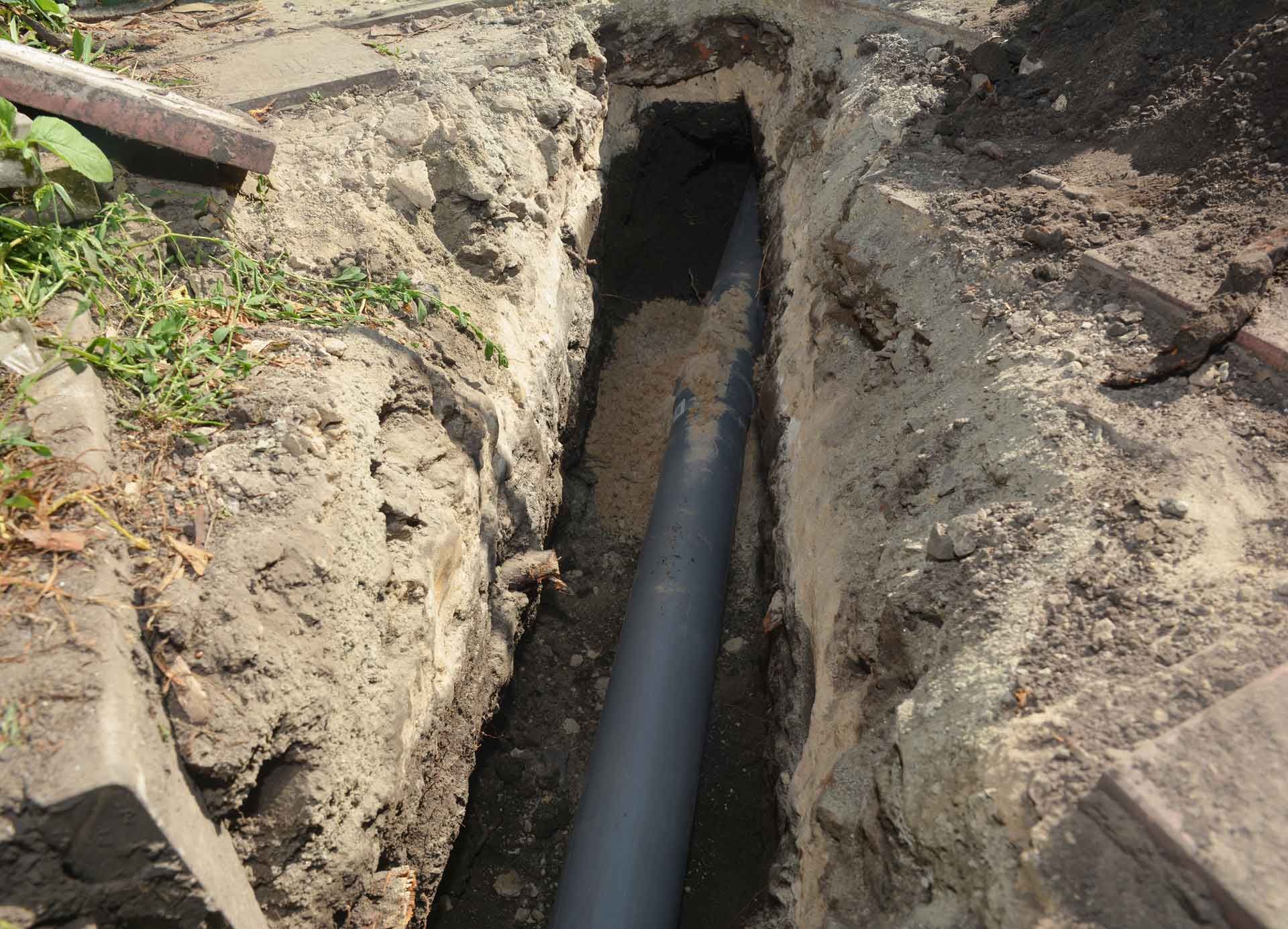
Most Saginaw, MI, homeowners facing a sewer problem want one clear answer: can the line be repaired, or does it need to come out entirely? The right choice can save significant time, disruption, and future headaches. Sewer line repair in Saginaw, MI, is often possible, but it is not always the best long-term solution. This guide walks you through the key factors so you can make a confident decision before any work begins.
Why Saginaw Homes Face This Decision More Often Than Newer Cities
Saginaw, MI, carries a housing stock built largely during the mid-twentieth century. Many of those homes still rely on the original underground sewer lateral, often made from cast iron, clay tile, or Orangeburg pipe, each of which ages and fails differently.
Cast iron is vulnerable to internal corrosion and rust buildup. Clay tile is porous, making it attractive to tree roots. Orangeburg, made from compressed tar paper layers, loses structural shape over time. The Michigan freeze-thaw cycle adds seasonal stress to already-aging systems.If
your home was built before the 1980s and the sewer lateral has never been replaced, age alone is reason to get a professional assessment. Scheduling sewer line repair in Saginaw, MI, at the first sign of trouble gives you more options and typically lowers overall cost.
Repair or Replace? The Four Factors That Drive the Decision
A professional can point your sewer line repair in Saginaw, MI, in the right direction once four key factors are evaluated.
Pipe Age
Systems older than roughly 40 to 50 years may be better candidates for full replacement, especially when the pipe shows multiple stress points. Repairing one section of a broadly deteriorating line often leads to another failure shortly after.
Pipe Material
Localized damage on a PVC line is almost always repairable. The calculus changes with cast iron showing widespread corrosion, clay tile with root penetration across multiple joints, or Orangeburg that has begun to deform. These materials may no longer support a trenchless lining solution.
Extent and Location of Damage
Repair tends to be the right call when a camera inspection reveals one isolated crack, a single offset joint, or root intrusion at one specific point on an otherwise healthy line. When damage appears in multiple locations or the line shows widespread deterioration, replacement often delivers better long-term value.
Trenchless Eligibility
Not every line qualifies for trenchless methods like cured-in-place pipe lining or pipe bursting. The existing pipe must retain enough structural integrity to guide the new liner. A collapsed section typically rules out lining. A camera inspection confirms which approach is safe for your specific line.
The Role of a Camera Inspection
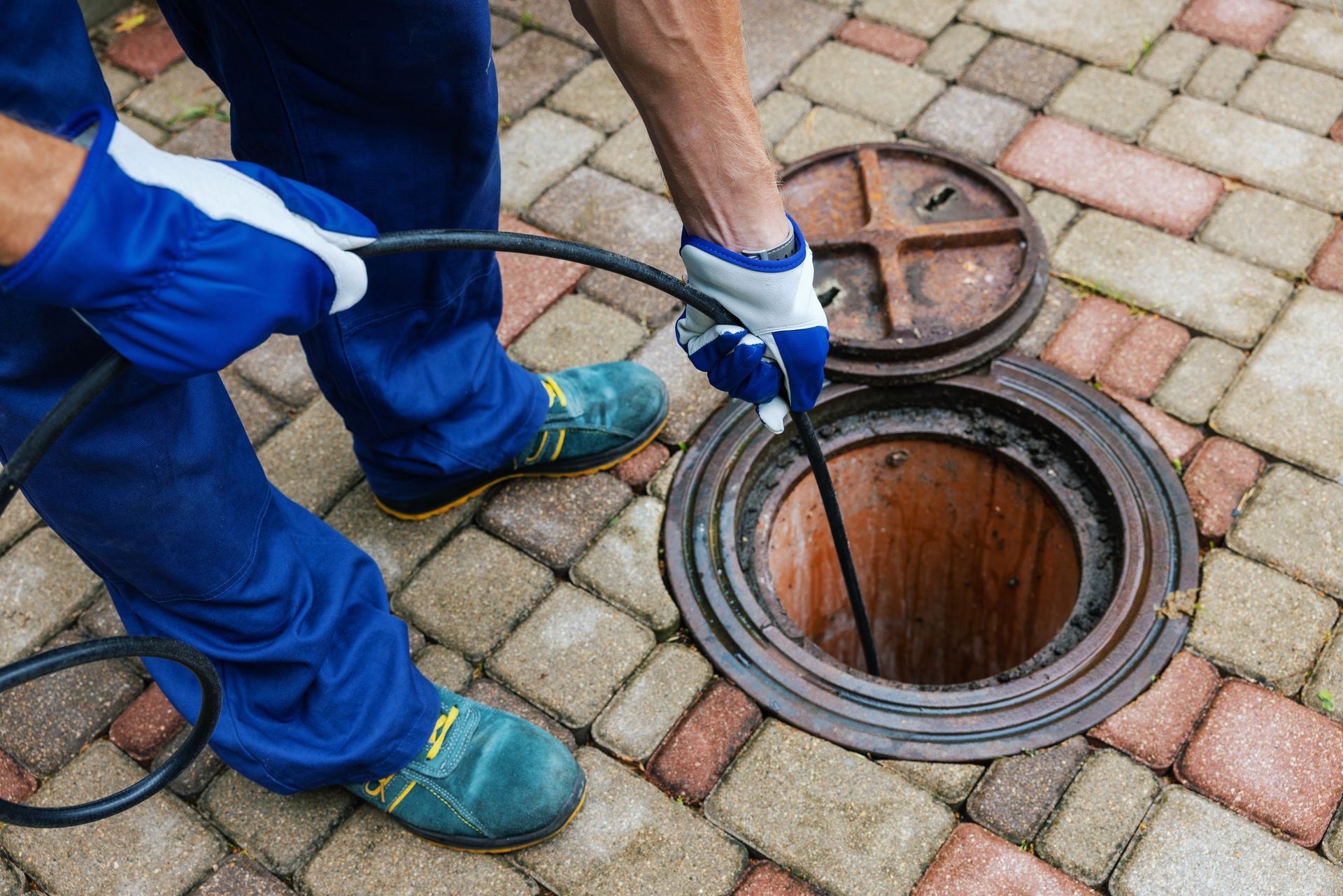
A camera inspection is the most important step before any repair-versus-replacement decision. A waterproof camera travels through the line and transmits live footage showing the exact location, depth, and severity of any problem, removing the guesswork entirely.
Without that footage, even an experienced contractor is estimating from symptoms alone. A slow drain could point to a simple root mass, or it could reveal a pipe that is bellied, cracked at three joints, and corroding from the inside. Those two scenarios call for very different solutions, and the only way to know which one you have is to look inside the pipe.
What Saginaw Homeowners Should Know About Cast Iron Lines
Many mid-century Saginaw homes were plumbed with cast iron sewer lines that may now be approaching or past their expected service life. Cast iron corrodes from the inside out. Hydrogen sulfide gas from sewage forms acidic compounds that gradually eat through pipe walls, causing channeling, thin spots, and holes that allow groundwater intrusion or sewage escape.
Michigan's clay-heavy soil near Saginaw retains moisture around pipe joints, which accelerates root intrusion and joint separation. When a cast iron line begins failing, damage is often not limited to one spot. A thorough inspection will reveal whether the pipe still has enough wall integrity to support a liner or whether replacement is the safer investment.
When to Request a Quote for Repair vs. Replacement
Slow drains across multiple fixtures, gurgling sounds, unexplained wet patches in the yard, or sewage odors in the home are all signs worth acting on quickly. Waiting typically allows damage to worsen and may reduce the options available to you.
The best approach is to get a camera inspection first, review the footage, then request quotes for both repair and replacement where applicable. Homeowners who pursue sewer line repair in Saginaw, MI, early often avoid the higher cost and disruption that comes with a full collapse or backup.
Frequently Asked Questions
How Do I Know if My Saginaw Sewer Line Needs Repair or Full Replacement?
A camera inspection is the most reliable way to tell. Repair suits isolated damage on a structurally sound pipe; replacement fits widespread failure or outdated pipe material.
Can Trenchless Sewer Repair Work on Older Saginaw Homes?
Often yes, but not always. Pipe lining requires enough remaining structure to guide the liner. A camera inspection confirms whether your line qualifies before work is planned.
What Happens if I Delay Sewer Line Repair in Saginaw, MI?
Small problems grow. A crack widens, roots spread, and a slow drain can become a full backup. Acting early preserves more repair options and limits property disruption.
Ready to Talk to a Professional Serving Saginaw?
Dependable Sewer Cleaning has served the Saginaw, MI, area and the broader Tri-Cities region since 1977, offering residential sewer repair and inspection services <http://www.dependablesewer.com/residential> backed by decades of local experience. Call (989) 892-3011 to schedule an assessment, or contact us online to request service.